The holidays are hard when you are missing someone. This is true whether the loss happened recently or years ago. Something about the particular brightness of the season, the expectations of togetherness and joy, makes the absence of a specific person feel sharper than it does in ordinary time.
If you are heading into a holiday season carrying grief, this guide is for you. Not to tell you how to feel, but to offer some practical ideas for getting through it in a way that honors both the person you lost and your own wellbeing.
Give Yourself Permission to Not Be Fine
Holiday grief is often complicated by the pressure to perform happiness for other people. You may have children who deserve a good Christmas. You may have extended family who are counting on a gathering that feels normal. You may have coworkers who expect you to participate in the office party with enthusiasm.
All of that is real. And it coexists with the fact that you are grieving, and that the holidays are making it worse, and that there is nothing wrong with you for feeling that way. Giving yourself explicit permission to not be fine, even in the middle of a season that is culturally coded for joy, is an important first step.
Decide Early What You Want the Holidays to Look Like
Grief has a way of making decisions feel impossible, which means families sometimes default into the same holiday traditions and structures without asking whether those traditions still serve them. That can lead to gatherings that feel hollow and painful, because the rituals are the same but the person who made them meaningful is absent.
Before the season arrives, spend some time thinking about what you actually want. Do you want to maintain the traditions exactly as they were, because the familiarity is comforting? Do you want to modify them, adding something new that acknowledges the person who died? Do you want to skip the traditions entirely this year and do something completely different? All three are valid. What matters is that the choice is conscious rather than default.
Create Space to Acknowledge the Person Who Is Gone
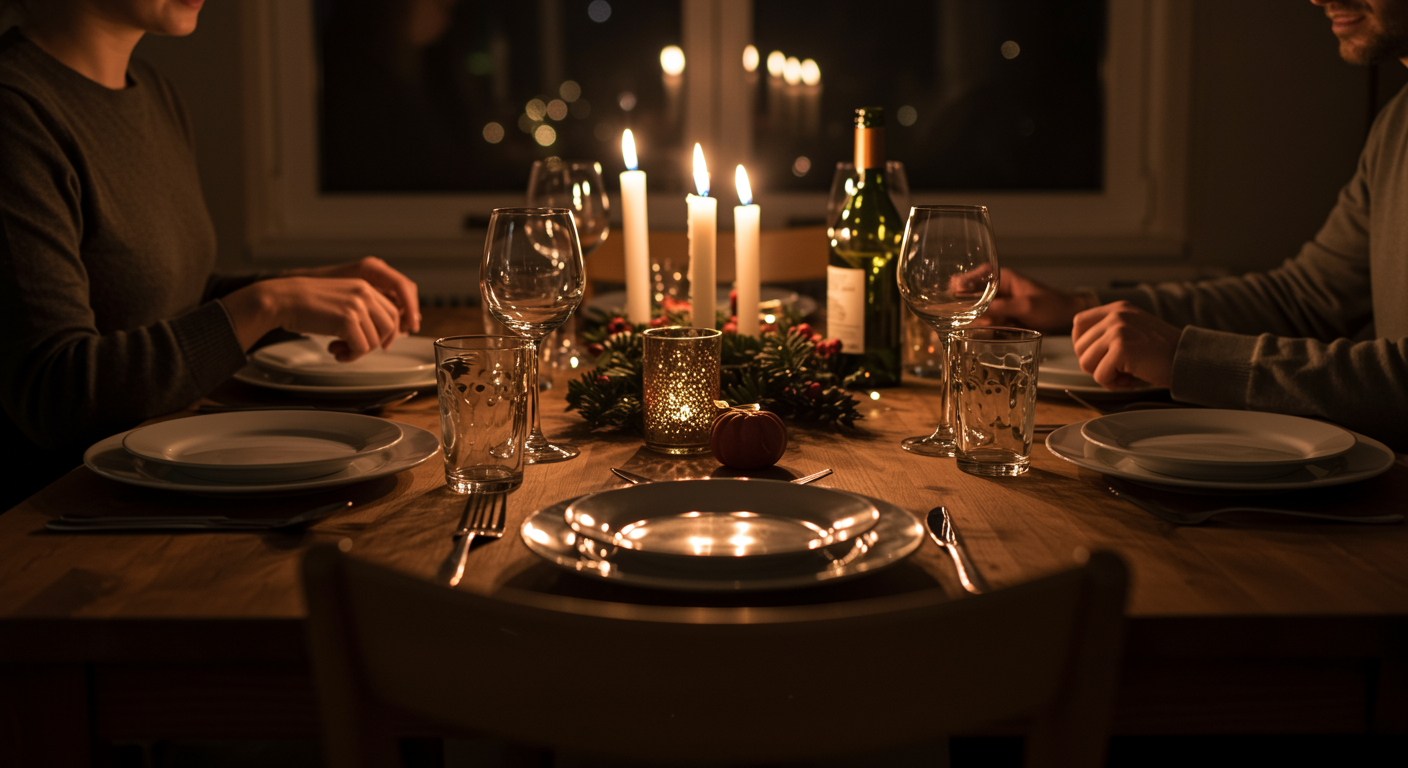
Many grieving families find that the explicit acknowledgment of an absence is more comforting than the pretense that everything is normal. Lighting a candle in memory of the person who died. Setting a place at the table. Sharing a story about them during the meal. Including something that was meaningful to them in the decoration or the menu.
These gestures do not have to be formal or solemn. They can be simple and quiet. What they do is give people permission to say the name, to acknowledge what is missing, and to hold the grief and the gathering at the same time rather than pretending one does not exist in the presence of the other.
Prepare for Unexpected Moments
Holiday grief is unpredictable. You may get through the main event surprisingly well and then fall apart in the parking lot afterward. You may be fine for most of the season and then completely undone by a particular carol or the smell of a specific food. You may have planned for a hard day and found it manageable, only to be blindsided a week later.
Having a plan for the unexpected moments helps. Know where you can go if you need five minutes alone. Have someone you trust who knows you can text them if you need to. Accept in advance that you will not be able to control the timing of grief, only how you respond to it when it arrives.
Take Care of the Basics
Sleep and food and movement matter more during high-stress periods, not less. The holidays already disrupt routines. Grief on top of disrupted routine can lead to a physical exhaustion that makes the emotional weight much heavier.
This does not require elaborate self-care. It requires not skipping meals, getting outside for a walk even when it is cold and you do not feel like it, and going to bed at a reasonable hour even when staying up feels easier than trying to sleep.
It Gets Easier, But Not All at Once
Many people who have navigated multiple holiday seasons since a significant loss report that it does get easier. Not because the person matters less, but because the sharp edges of the first holiday or two soften over time and the season becomes something that can hold both grief and good memories without one destroying the other.
If this is your first or second holiday season since the loss, be gentle with yourself about how hard it is right now. Where you are today is not where you will always be.